
By Charles Achoda
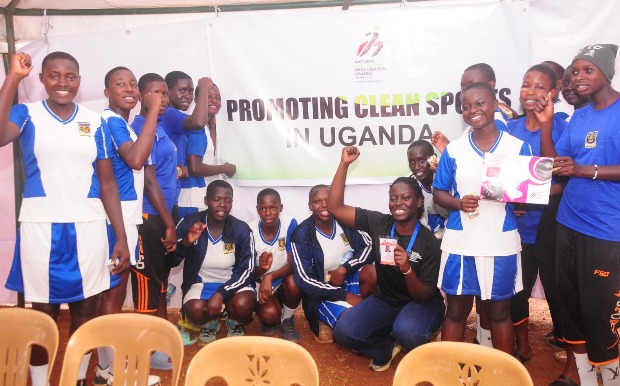
The National Anti-Doping Organization Uganda (NADO-U) has officially launched the National Anti-Doping Schools Club in Gulu City, Northern Uganda, with over 4,000 athletes enrolled as members.
The launch marked the first phase of a nationwide program aimed at embedding anti-doping education in primary, secondary and tertiary institutions, as Uganda seeks to safeguard the health of athletes and the country’s reputation in international competition.
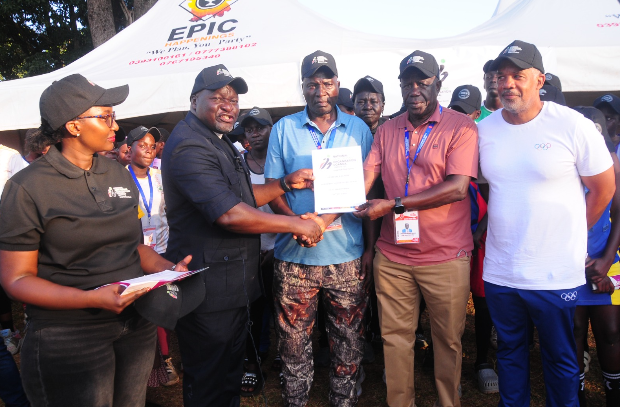
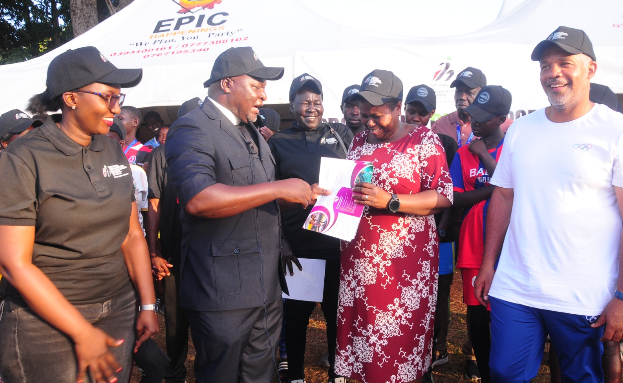
The event held at Gulu High School sports ground was attended by USSSA officials, coaches, teachers, district sports officers, NADO-U board members, hundreds of students-athletes and members of the community.
While launching the national schools club, the Commissioner for Physical Education and Sports in the Ministry of Education and Sports, Rev. Duncan Mugumya, urged the athletes to serve as ambassadors for anti-doping in their respective schools.
The Commissioner also directed the Uganda Secondary Schools Sports Association to integrate anti-doping education into all their activities to equip athletes with basic awareness and information on anti-doping.
“Today I feel like we are watching a new child being born — a child that will promote Ugandan sports. Where there is no doping, we can be sure clean sport is the way forward,” he said.
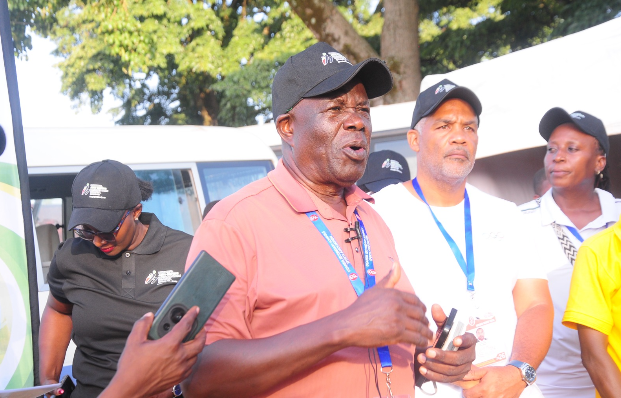
The Uganda secondary schools sports association (USSSA) Chief executive officer, Chris Mugisha pledged to ensure anti-doping education is embeded in zonal, regional and national school championships.
“If we sensitize them early, we can minimize the problem. USSSA already runs capacity building and life skills. With Safeguarding, every participant has to attend or face sanctions’’, Mugisha said.
The Chief Executive Officer of the National Anti-Doping Organization Uganda, Shadia Nakamanya, pledged the organization’s commitment on behalf of government to roll out training programs across all regions.
“We are committed to ensuring that we reach the whole country, spreading the message of anti-doping in schools, tertiary institutions and communities to promote clean sport,” Shadia said.

She said the Schools Club will be the organization’s primary vehicle for grassroots education, in line with the World Anti-Doping Agency (WADA) Code.
The club will train students, teachers and coaches on athletes’ rights and responsibilities, the WADA Prohibited List, Therapeutic Use Exemptions (TUEs), supplement safety, and the doping control process.
“Athletes caught doping face sanctions ranging from warnings to four-year bans and in some cases lifetime ineligibility from national and international competition. But beyond the ban, we are losing young people to drugs. That is why we must start early,” she said.
Nakamanya noted that doping is not only a rules issue but also a health crisis. Prohibited substances such as stimulants, anabolic steroids, and narcotics like marijuana, cocaine and opium can lead to heart problems, liver damage, addiction and mental health challenges.