

By Clive Kyazze
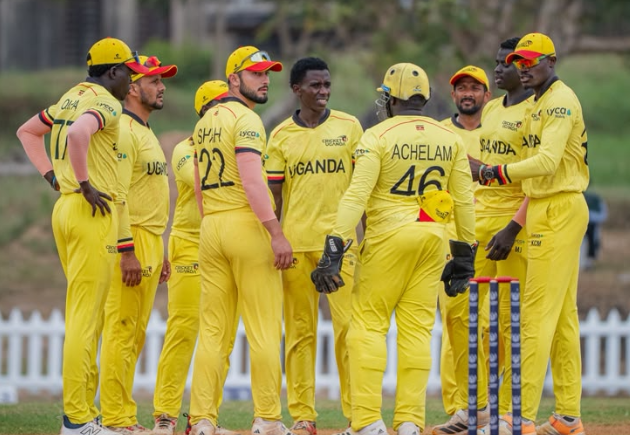
Uganda’s qualification for the ICC Cricket World Cup Qualifier Play-off has understandably been celebrated for what will happen on the field, the Cricket Cranes are finally going to play official One Day International cricket.
But beyond the historic scorecards, rankings and caps lies another prize that could prove just as important, opportunity and the possibility of changing the economics of Ugandan cricket.
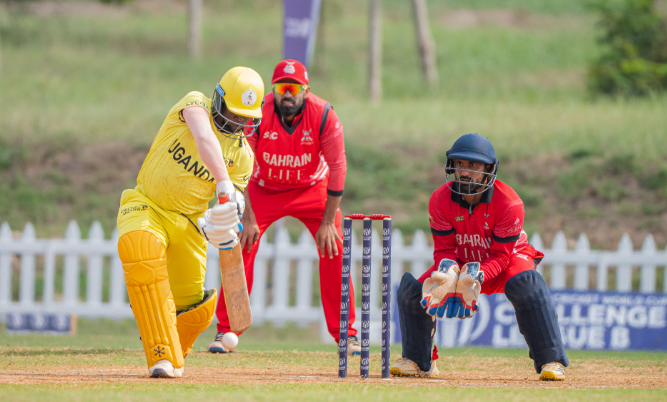
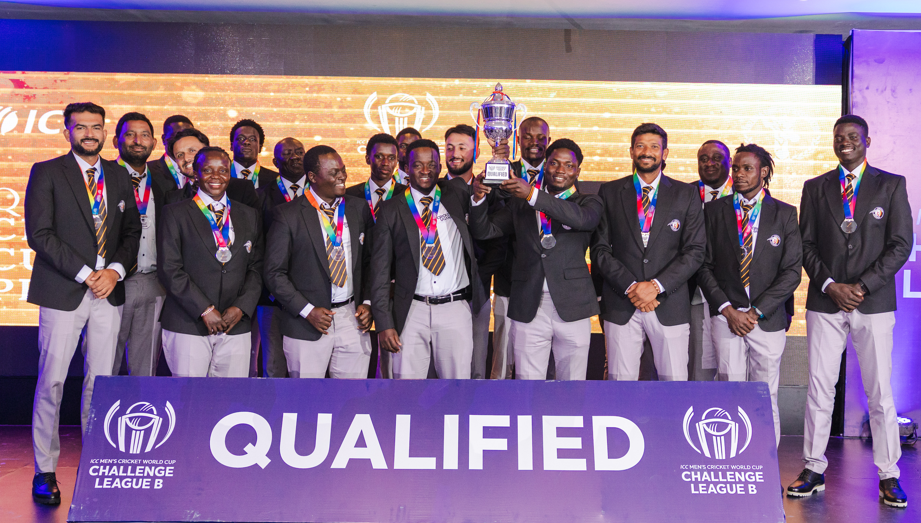
By finishing second behind Italy in the ICC Cricket World Cup Challenge League B, Uganda have advanced to the eight-team Qualifier Play-off, where every match will carry ODI status.
It means that, for the first time, Ugandan players will have their performances officially entered into ODI records.
Yet merely playing ODIs at that tournament and becoming an established ODI-status nation are different things.
The eight Associate nations currently recognised by the ICC as having men’s ODI status are Canada, Namibia, Nepal, Oman, Scotland, Netherlands, United Arab Emirates and USA.
Their status is protected until at least the conclusion of the 2027 Qualifier Play-off, Uganda, for now, remain outside that club. That is why the next stage is bigger than simply creating history.
For Uganda, the strategic objective should be to move from the third-tier Challenge League environment into the next cycle of Cricket World Cup League 2. That is where ODI status becomes more than a tournament privilege.
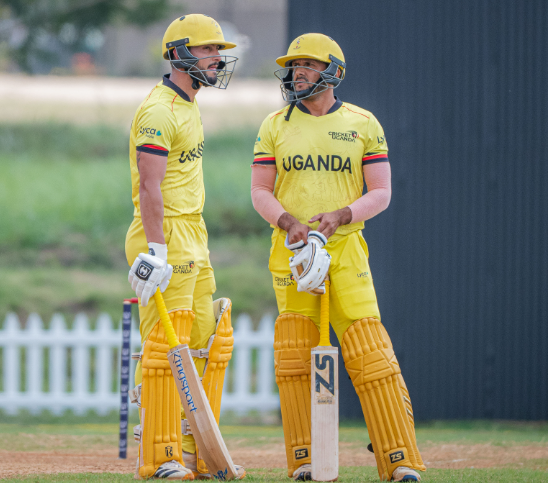
League 2 provides a structured programme of regular 50-over international cricket against some of the strongest Associate nations in the world. In the current cycle, the competition includes Netherlands, Scotland, USA, Oman, Namibia, Canada, Nepal and UAE.
That means more international matches, more ranking opportunities, stronger opposition and a more predictable high performance calendar.
Canada provide the clearest recent example of what Uganda are chasing, they came through the Challenge League pathway, performed strongly at the 2023 Qualifier Play-off, climbed into League 2 and regained ODI status for the next four-year cycle.
For Cricket Uganda, that transition could also strengthen the federation financially.
Does ODI status automatically bring more money? Not quite.
There is no publicly available ICC document that says a country receives a fixed amount for example US$500,000 or US$1 million simply for obtaining ODI status.
ICC funding to Associate Members operates through its Development Funding Model, which incorporates performance and development measures.
The ICC describes the model as meritocratic, with better performing members able to attract greater support through development and competition-related funding.
The financial pool itself is significant, ICC accounts show US$47.48 million was distributed to Associate Members in 2024, while the ICC Board subsequently approved an increase of nearly 10 percent in Associate distributions for 2026.
There is money available, but Uganda must continue strengthening the indicators that determine how much of that ecosystem it can access.
Cricket Namibia publicly acknowledged this relationship after securing ODI status in 2019, saying the achievement had brought an increase in ICC funding and helped provide greater financial security for cricket development in the country.
Uganda will hope for a similar effect and the timing makes this particularly important for Cricket Uganda.
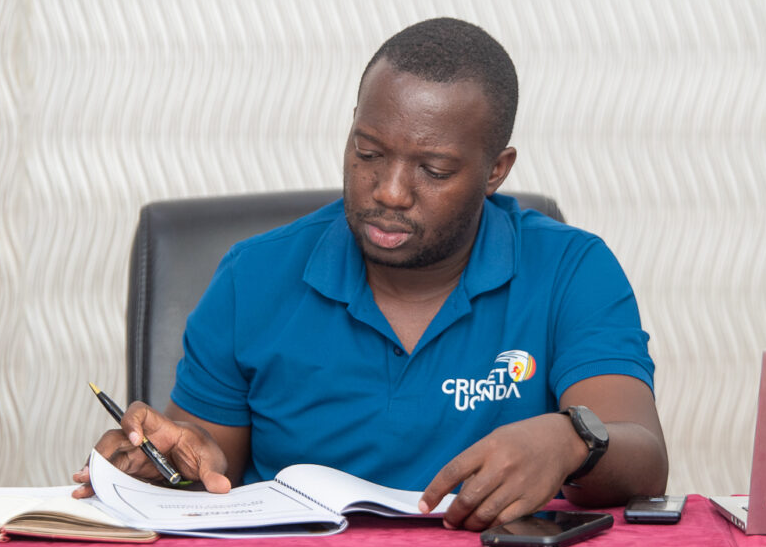
At its March AGM, Honorary Secretary Denis Musali admitted that the federation was operating within a “constrained budget”, with international competitions and qualification campaigns placing considerable pressure on its finances.
That pressure is familiar across Associate cricket, tours are expensive; flights, accommodation, player allowances, coaching staff, training camps and preparation matches require money long before success produces returns.
Uganda’s recent partnership with the Mumbai Cricket Association illustrates the problem. MCA’s decision to meet accommodation, match and internal logistical costs during Uganda’s May tour significantly reduced Cricket Uganda’s financial burden.
League 2 cannot remove those expenses, but it changes the equation because Uganda would be operating in a structured ICC competition programme rather than constantly trying to manufacture meaningful international cricket.
That continuity can make high-performance planning easier and the national team more commercially attractive.
The financial opportunity should not be measured only by what lands directly in Cricket Uganda’s bank account from Dubai.
Regular ODI cricket would give the Cricket Cranes a stronger product to sell to sponsors.
A company considering investing in Uganda cricket would no longer be associating itself simply with a team playing occasional qualifiers.
It would potentially be buying into a national side competing regularly in recognised ODIs against countries such as Nepal, Namibia, Scotland, Netherlands or UAE.

Cricket Uganda can also return to the National Council of Sports and government with a stronger case for investment if it is funding a national team operating at a higher international level.
Greater funding could subsequently be channeled into player contracts, coaching, better preparation, youth pathways, women’s cricket and infrastructure, areas that ultimately feed back into the ICC development scorecard.
That creates the cycle Uganda desperately needs because better performance brings better opportunities; better opportunities strengthen funding; increased funding supports better preparation; and better preparation makes sustained international success more achievable.
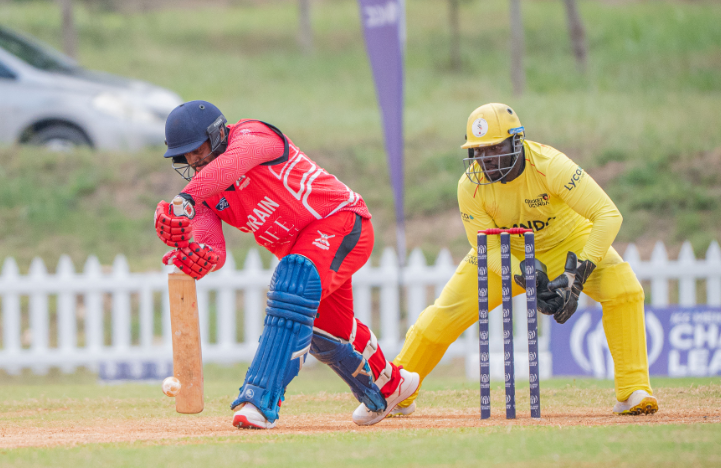
Uganda are approaching perhaps the most consequential 50-over tournament in their history.
The Qualifier Play-off will feature Uganda and Italy, the top two sides from Challenge League A and the bottom four teams from League 2 then the top four will advance to the final Cricket World Cup Qualifier.
The ICC has not yet publicly detailed exactly how ODI status and League 2 places will be redistributed after the 2027 Play-off, so it would be premature to attach a specific finishing position or cash figure to Uganda’s ODI ambitions.
But history provides enough evidence to understand what is at stake.
So for Cricket Cranes, the next target should not simply be playing their first ODI, it should be establishing Uganda among the countries that play there regularly.
Because the greatest reward of ODI status may not be having three letters placed beside Uganda’s name.
It is gaining the matches, money, exposure and structure that could ensure the Cricket Cranes never have to start from the bottom of world cricket again.